
Instant Influence: How to Leverage Color Psychology in Branding to Shape First Impressions
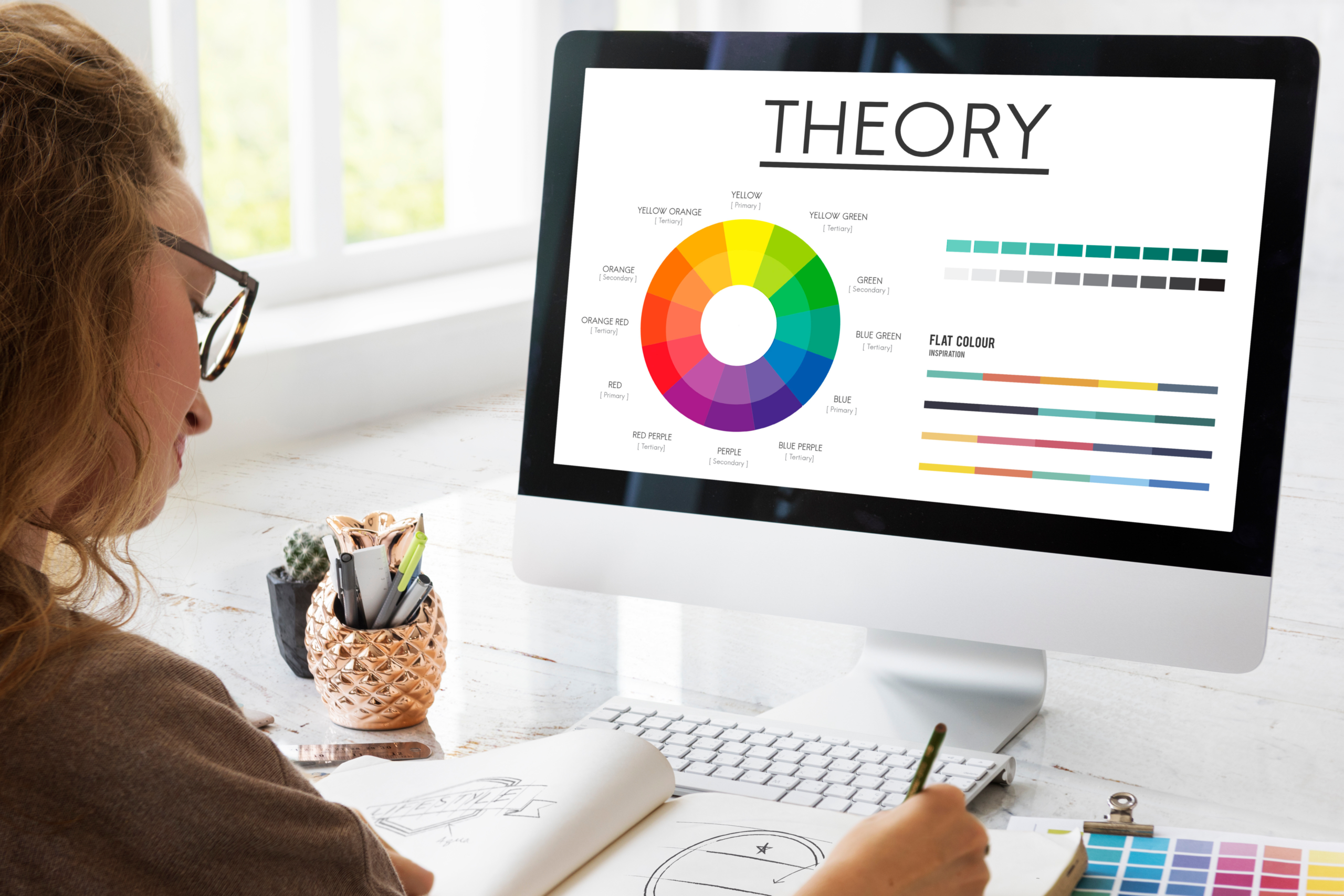
When we see a brand for the first time, we make a decision in a second whether the brand is good or not. Our mind makes this decision very fast. But how? By seeing the brand color. Color plays a very important role for every brand. When we see any website, social media page, or logo design, at first, the color gets attention. And after that, we read the words. That’s why colors are more powerful. Color psychology in branding means using the colours to control the emotions and feelings of people. Some colors make us happy, some build trust, and some create excitement. A brand uses color to createn a image in the minds of the people. In this blog, we’ll discuss how the colors work and how the brand chooses the best colors. What is Color psychology in branding? Color psychology in branding is a simple idea. This means every colour delivers its own feeling. Means when we see any specific color, we feel something after that. Like: Brands know people feel emotions through colors. This is the reason they don’t choose the colors in a random manner. Color psychology in branding helps brands to understand the emotions of people and to make a connection with them. If the brand’s colour is good, then peoples loves the brand and keep the specific name of the brand in mind for the long term. Role of Color in Brand Identity Every brand has its own unique identity. Just as we recognize people by their clothing and style, brands are recognized by their colors. When the same colors are used by the brand everywhere—logo, website, ads, social media—people remember that brand easily. This color psychology is an important part of branding. Color is like a short way that tells a story about a brand: It’s not only the color of the logo that is important. Brands have a complete color set, called the brand color palette. This makes the brand appear the same everywhere. How Colors Make People Feel Colors don’t just look, they also make people feel. That’s why color psychology in branding is so powerful. Warm Colors Warm colors are red, orange, and yellow. These colors convey energy and excitement. That’s why warm colors are used in food brands, games, and sales posters. These colors attract people. Cool Colors Cool colors are blue, green, and purple. These colors convey a feeling of calmness and trust. Banks, apps, hospitals, and education brands use cool colors. This is a perfect use of color psychology in branding. Neutral Colors Neutral colors are black, white, and gray. These colors look simple, clean, and classy. Luxury brands use neutral colors because they give a premium and timeless feel. Neutral colors also make other colors look better. Meaning of Popular Branding Colors According to color psychology in branding, each color has a meaning: Brands choose these colors thoughtfully so that people understand them correctly. Colors and Different People Not everyone thinks about the colors the same way. Color psychology in branding also considers who the audience is. Colors have different meanings in different countries. Therefore, brands first understand their audience and then choose colors. No single color is right for all brands. Choosing the right colors for a Brand For choosing the best colors, the brand should answer some questions like: The main color of the brand is the primary color. Other than that, all support the design. And too many colors are not a good way. Only simple and limited colors look good. All these things are a part of Color psychology in branding. Common color mistakes Some common color mistakes: Color Psychology in Digital Branding Color psychology is important in branding for websites, social media platforms, and mobile apps. The color of a button determines whether a user will click on it or not. Using proper and consistent colors on social media helps brands remember. The contrast between the text and the background should be clear so everyone can read easily. Real-Life Brand Examples Big brands use colors smartly: Small brands can also achieve strong branding by following color psychology. Conclusion Color is not merely a matter of being attractive and beautiful. Colors leave an impression on the emotions and feelings of people. Color psychology in branding causes brands to be memorable, strong, and trustworthy. If brands adapt the right colors, people like and remember the brand. Therefore, always use colors wisely—because the right color can become a brand’s strength. Also read: 10 Best Video Editing Tips for Beginners in 2025