
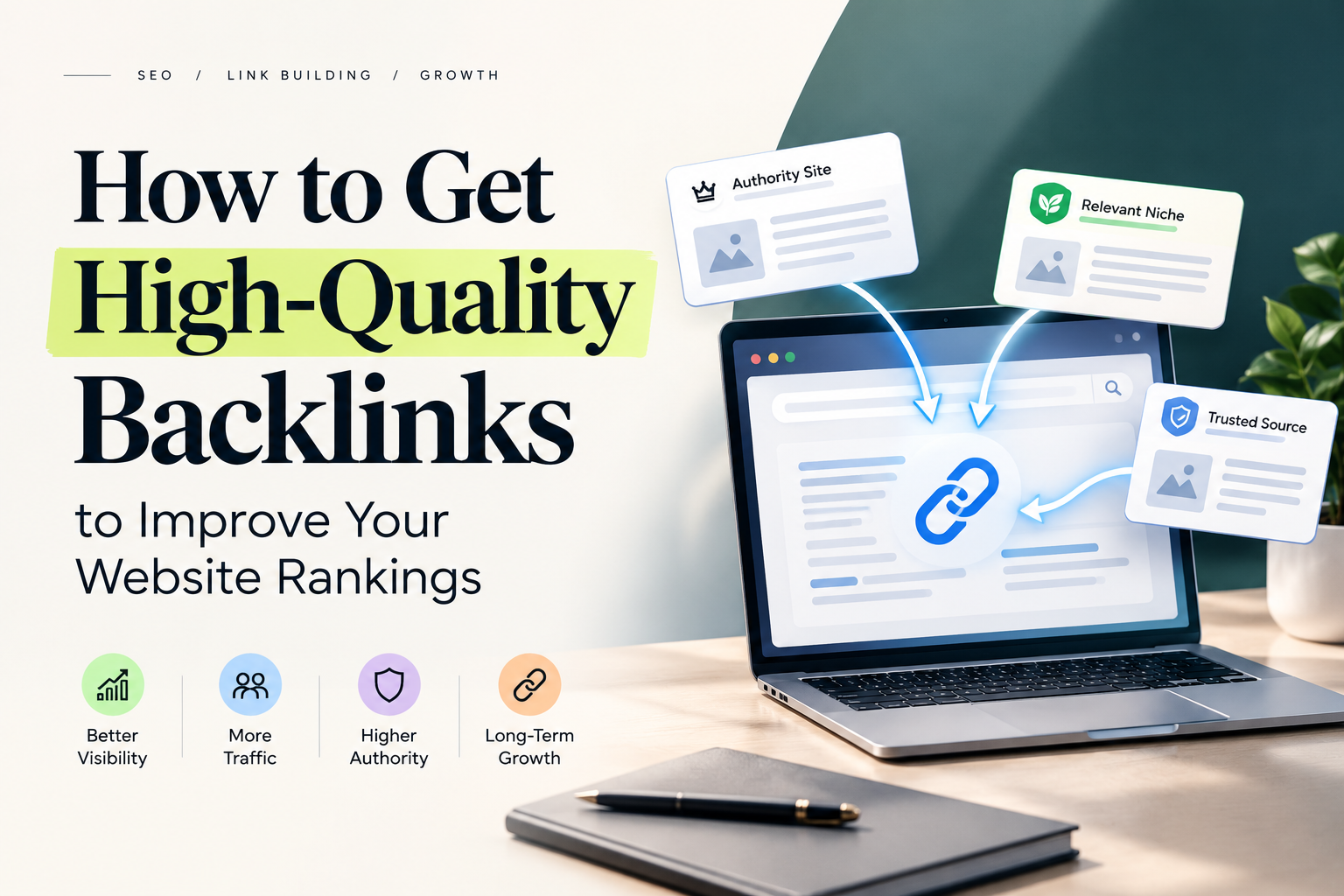
The process of getting to higher rankings on Google requires more than blogging and keyword stuffing. Other websites will also need to agree that your content is useful and reliable. This is where high-quality backlinks come into play. A backlink can help search engines find pages on your website and can attract new visitors to your site. But don’t expect better rankings with a hundred and a half random links. Those links are more important for their quality and for their relevance.
So, how do you get high-quality backlinks that can support your SEO efforts? This guide details proper link building practices, common pitfalls, and how to monitor the outcomes.
Table of Contents
What Are High-Quality Backlinks?
Backlinks are links that come from other websites and send traffic to your website. For instance, if you have a marketing blog that links to your SEO guide, your website gets a backlink. But not all backlinks are created equal. Quality backlinks for SEO purposes tend to be from relevant, authoritative sites that provide value to their readers.
A quality backlink should have:
- Relevance: The linking page or site should be on a topic related to yours
- Trustworthiness: The linking domain should be a reliable source of information
- Natural placement: Your link appears where it should be according to the context
- Relevant anchor text: Clickable words on the linked page that describe the page.
A backlink from a marketing blog might be more relevant to a digital marketing company than a backlink from an unrelated site.
What is the Significance of Good Backlinks for SEO?
Off-page SEO is an important aspect of building backlinks. They enable search engines to find content and identify links between sites. High-quality backlinks can help your website in a number of ways:
- Improved search visibility: Relevant backlinks can help boost search rankings along with other SEO factors.
- Referral traffic: Users may arrive on your website through other websites’ links.
- Brand awareness: When featured in trusted publications, your brand reaches new people.
- Content discovery: Links allow search engines to discover pages across different sites.
But backlinks do not guarantee higher rankings. It is also important to have content that helps, good technical SEO, and a great user experience. If you want to learn link building and other SEO techniques practically, a structured digital marketing course can help you understand both on-page and off-page strategies
How to Get High-Quality Backlinks: 8 Effective Methods
The goal of building quality backlinks is to provide a real reason for other websites to link to your content.
Here are eight actionable strategies.
1. Create Valuable and Shareable Content
A great way to get natural backlinks is to create content that solves the reader’s questions. Write detailed articles with practical examples and useful information, rather than basic articles.
The following types of content can be effective:
- Step-by-step tutorials
- Original research and statistics.
- Get free templates and checklists.
- A collection of case studies featuring actual outcomes.
- Create comparison charts and infographics.
Suppose you prepare a checklist for SEO optimisation and provide instructions; you can get backlinks from bloggers seeking resources. They will share your creation, assuming it may benefit others. Strong writing is the foundation of link-worthy content, and a content writing course can help you learn how to create useful, well-researched articles that other websites want to reference.
2. Write Guest Posts for Relevant Websites
Guest posting is among the most frequently used link-building techniques, implying that you have to write articles for a different blog in your niche. A digital marketer can study the common mistakes in Google Ads and post the article in a business magazine. To find sites interested in guest posts, search the web for submission directories and propose ideas attractive to their readers. Think about giving useful information and not putting links in where they don’t belong. Do not publish many posts that are guest posts to inflate ranking, since this could be considered spam in Google’s terms.
3. Try Broken Link Building
Broken link building is a technique that involves identifying broken links and recommending your content as a replacement. Imagine that a site points to an SEO tutorial that’s been taken down. If you are lucky enough to have a resource that’s similar, you can suggest that to the website owner.
Follow these steps:
- Find relevant websites in your industry.
- Find broken links using Ahrefs or other tools.
- Examine the missing page and see what information it had on it.
- Propose appropriate material for it.
This is a great way for website owners to repair broken links and also generate backlink opportunities.
4. Analyze Competitors’ Backlinks
Competitor backlink analysis can be used to find websites linking to firms that are comparable to yours. You can use tools like Semrush and Ahrefs to analyze your competitors’ backlinks and find link opportunities. For instance, if the competitor is getting backlinks from marketing blogs or resource pages, you can do some research on the site and provide as much value as possible. Target the best opportunities, not replicate all of your competitor’s links.
5. Find Unlinked Brand Mentions
In certain situations, websites refer to your business without a link. These are termed unlinked brand mentions. For instance, a blogger could mention your company and not write your website address. Look for these mentions using Google Alerts or brand-monitoring tools. Get in touch with the author in a polite manner and inquire about linking to your site. This is one great way to build high-quality backlinks since your brand has already been mentioned on the website.
6. Publish Original Research and Data
Bloggers and journalists are seeking trusted statistics for their articles. Other websites may refer to your research if your website shares original research. A marketing agency might poll 100 small businesses regarding what their biggest advertising difficulties are and then publish the outcomes. Provide accurate data, clear explanations, and helpful charts. Original information can aid your website to be a valuable resource for other content creators.
7. Share Expert Opinions With Journalists
Expert advice is often required for news articles or blog posts from journalists and industry bloggers. If you know a specific field, you can provide valuable tips on journalist request sites or professional forums. For instance, an SEO professional might discuss typical problems that stop small business websites from ranking. If you provide a valuable answer, the journalist will probably mention your business and link to your website.
8. Recover Lost Backlinks
Occasionally, pages are linked to sites that you have removed or relocated. These links can break and cause visitors to be sent to error pages. Use backlink analysis tools to identify lost or broken backlinks. If the original page is still useful, restore it. If not, redirect the old URL to a similar page if applicable. Link recovery is a valuable tool for SEO link-building since it maintains current referral streams.
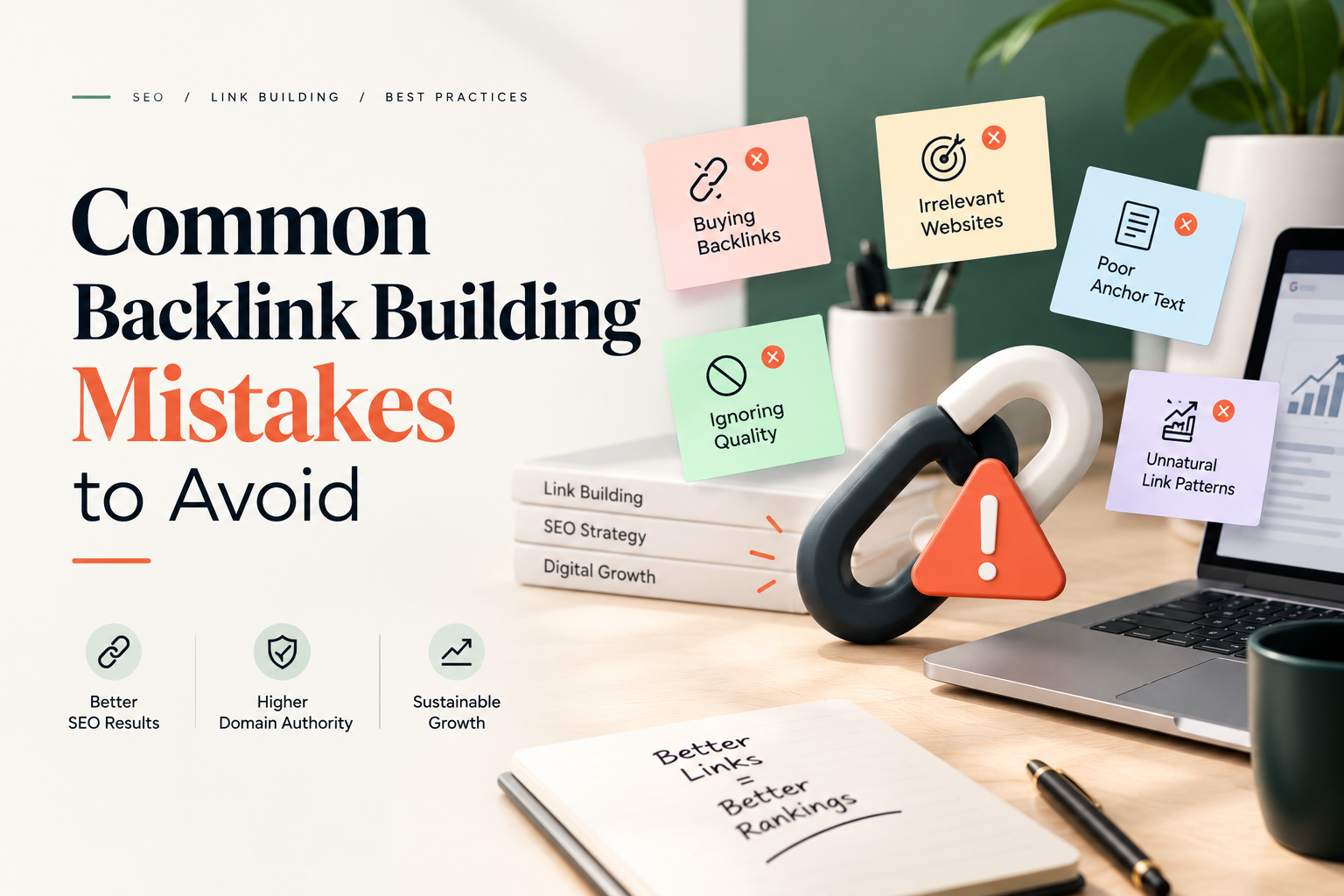
Common Backlink Building Mistakes to Avoid
When learning how to make backlinks, steer clear of methods that may negatively affect the performance of the website.
- Paid links that are meant to boost rankings are unacceptable to Google.
- Links must be from sites that have a connection to the site’s content or industry.
- When the same keyword is used in the anchor text for backlinks, it can seem spammy.
- If link exchanges are done primarily to boost rankings, this can cause SEO issues.
- Hundreds of low-quality links are not always superior to a few quality ones.
The best backlink building strategies should concentrate on real referrals as opposed to quick cuts.
How to Check Your Backlink Quality
After setting up the backlinks, keep a regular eye on your website’s performance. You can use Google Search Console to verify linking websites, and sites such as Ahrefs and Semrush provide you with additional backlink data. Check for the relevance of the sites linking to you, for natural presence in your posts, and for attracting readers. Keep track of organic traffic and keyword positioning to track overall SEO performance changes.
FAQs
How to build quality backlinks for beginners?
People just beginning should focus on creating valuable content, writing guest posts for relevant websites, and looking for broken links. Instead of trying to get many links in a short time, get quality links.
Can I get high-quality backlinks for free?
Yes, you can get free backlinks from original research, guest writing, unlinked mentions, and broken link building. These approaches are not easy, but they don’t always involve paying for links.
How many backlinks do I need to rank higher on Google?
The ranking is based on the competition, the quality of the content, the performance of the website, and other SEO related things. The most useful backlinks are those that are relevant to the site.
Will backlinks be relevant in 2026?
Backlinks remain a vital ranking factor since they allow search engines to find content and impact rankings. Yet, they should not be the sole SEO focus since other elements. It includes quality and technical optimisation, are also important for higher SERP positions.
How long does it take for backlinks to improve rankings?
There is no time limit. Search engines take a bit of time to find and understand links, and there are many factors that affect ranking. Remember to monitor and strive for improvement over time.
Conclusion
It may take years to build an excellent link profile. But the quality anchor text will help you attract traffic and get your content in front of the right audience. First, you need to create high-quality content and then look for guests to post, analyze competitors, and recover lost links. Remember that link building is a continuous process, and you should not expect rapid results after a few backlinks. Secondly, avoid using shady methods and focus on the relevance and authority of the resource.
By following a solid backlink strategy and consistent efforts. You can enhance your backlink profile and assist in the progress of your website over time.

Vandana is a Content Writer and Digital Marketing Executive with 1+ years of experience in SEO content writing, website content, and digital marketing. She specialises in creating engaging, SEO-friendly content, keyword research, and content planning to help brands improve their online presence and audience reach.