For a business in the U.S. Virgin Islands, being easy to find online can influence who books a tour, rents a vehicle, visits a shop, or requests a service. Search algorithms keep changing, and new terms can make it sound as if the next major shift is just around the corner. Quantum SEO is one such phrase. Before investing in a new strategy built around it, it helps to separate emerging ideas from practical search engine optimization (SEO) work that businesses can use today.
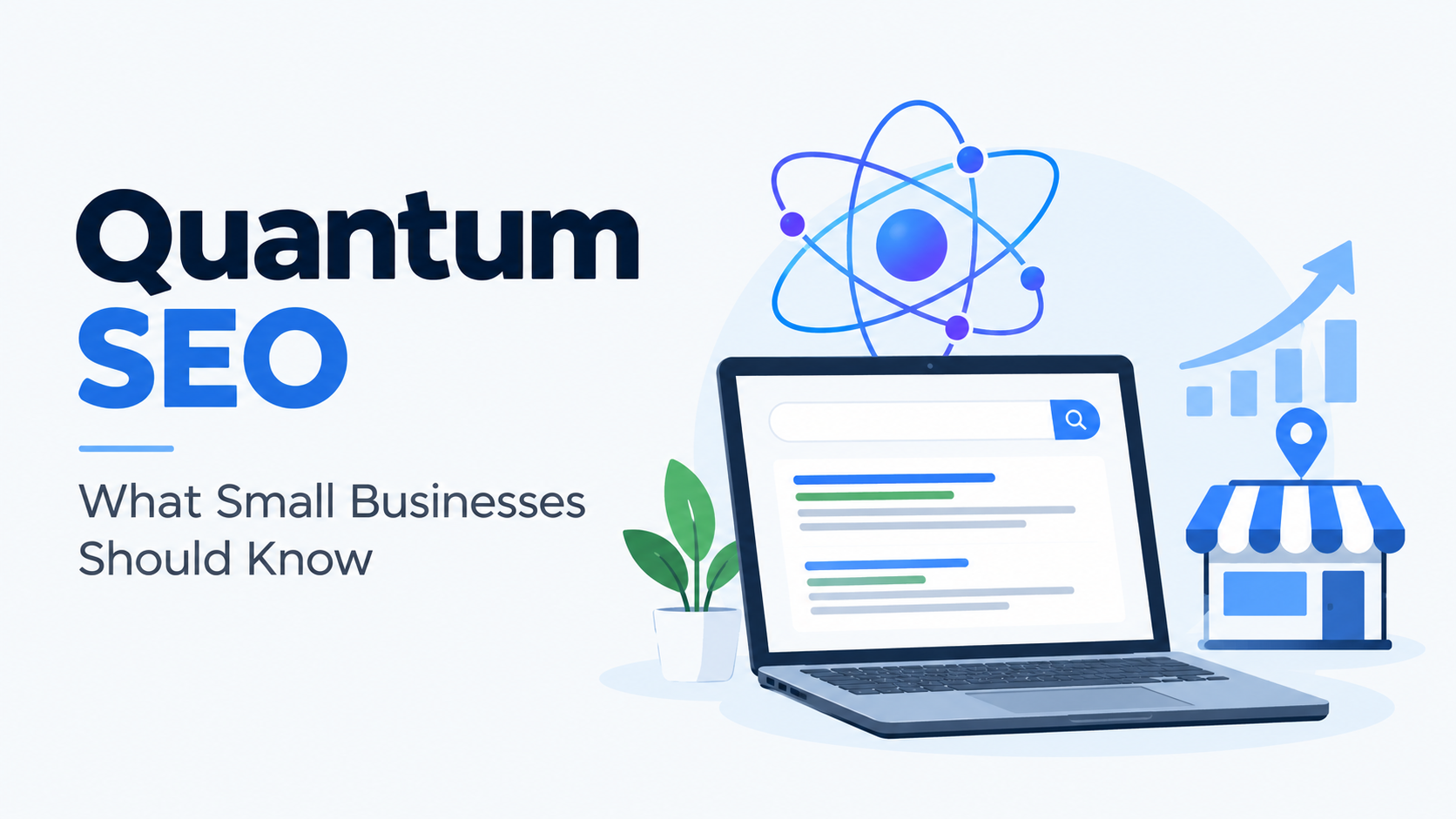
The phrase is used to describe possible future approaches to search optimization influenced by quantum computing, advanced data analysis, or more complex ways of understanding search behavior. It is not a standard Google ranking factor or a tool that businesses can simply switch on. For a useful overview of the idea and the questions around it, see this discussion of Quantum SEO. The more immediate task is to build a website and content that serves real customers well, while staying alert to credible developments.
Table of Contents
What Quantum SEO Does—and Does Not—Mean
Quantum computing uses principles from quantum physics to process certain kinds of problems differently from conventional computers. That does not mean a quantum computer is currently deciding which local shop appears first on Google. Search engines rely on large-scale systems that crawl pages, interpret content, and assess how well results meet a searcher’s needs. The precise systems are complex and change over time, but businesses should not mistake a speculative label for a confirmed ranking method.
In SEO conversations, Quantum SEO may refer broadly to a future in which more powerful computing helps analyze huge datasets, model user intent, or personalize results. Those are possibilities, not a checklist of actions that will guarantee higher rankings. Be cautious of anyone promising a special quantum technique, instant visibility, or a shortcut around useful content and sound website maintenance.
Build Around Searchers, Not Buzzwords
Start by asking what a potential customer actually needs. Someone searching for a car rental in St. Thomas may want vehicle types, pickup details, insurance information, and a clear way to book. A shopper looking for clothing may be comparing styles, sizes, shipping, or store hours. A local service provider may need to explain coverage areas and how to request an estimate.
These needs can guide practical SEO improvements:
- Use clear page titles and headings. Describe the page accurately rather than repeating a broad keyword.
- Answer common questions. Include useful details about location, availability, pricing factors, and how the service works.
- Keep business information consistent. Check that names, addresses, phone numbers, and opening hours match across your website and business listings.
- Make pages work well on mobile. Visitors should be able to read, navigate, and contact you without struggling on a phone.
- Review performance regularly. Search queries, page visits, calls, and bookings can show which pages need clearer information.
For businesses serving multiple islands or visitor groups, be specific about where a service is available. A page that clearly explains whether you serve St. Croix, St. John, or St. Thomas is more useful than a vague copy aimed at everyone.
Prepare for Change Without Chasing Every Trend
Search technology will continue to develop, and AI is already changing how people discover and evaluate information. A resilient approach is to make your site easy for both people and search systems to understand. Organize pages around real topics, use descriptive language, and ensure that important information is available as readable text rather than only in images or videos.
Also keep a record of what you change and what happens afterward. If you revise a service page, track whether visitors spend more time on it, contact the business, or complete a booking. Avoid changing every title and page at once based on an untested prediction; otherwise, it can be difficult to tell what helped or hurt.
Technical basics still matter. Broken links, slow pages, confusing navigation, and outdated contact details can frustrate visitors regardless of how search algorithms evolve. A clear site structure and dependable information are investments with value beyond rankings.
Use Specialist Help Where It Makes Sense
Small businesses do not always have the time or in-house skills to handle copywriting, web development, design, or digital marketing. Freelancers can help with specific tasks, from improving product descriptions to checking a site’s technical setup. A marketplace such as Osdire connects buyers with freelancers across categories including writing, design, programming, and marketing. Its overview of the Osdire affiliate program is relevant for people who want to understand how a professional network can create additional opportunities.
When hiring, describe the outcome you need rather than asking someone to “do quantum SEO.” For example, request an audit of mobile usability, a rewrite of a page for clarity, or a plan for addressing common customer questions. Agree on deliverables, review the work, and make sure you retain access to your website and analytics. Clear, bounded projects make it easier to judge whether the work was useful.
A Practical Takeaway
Quantum SEO is an interesting label for possible future developments, but it is not a proven shortcut to Google rankings. Businesses in the Virgin Islands can prepare for new technology without betting their marketing budgets on speculation. Focus on accurate local information, helpful pages, a smooth mobile experience, and measurable improvements. If computing advances eventually change how search works, those fundamentals will still make it easier for customers to understand what you offer and decide whether it fits their needs.

Vandana is a Content Writer and Digital Marketing Executive with 1+ years of experience in SEO content writing, website content, and digital marketing. She specialises in creating engaging, SEO-friendly content, keyword research, and content planning to help brands improve their online presence and audience reach.